Author

amw

Browsing

Daylight Savings Time is here which means the days are getting longer and spring is just around the corner! Will you spring into good health with me?

With spring almost here, it’s a good time to get off the couch and put your health into high gear. It only takes a few small changes to spring into good health and set the right path for you and your loved ones – that’s especially true for your health and well-being.

You don’t need to sign up for extreme fitness classes or devote yourself to an all-liquid diet. Simple things you can do to spring into good health are being more active, eating healthy and taking care of your body.

Here are a few ways to spring into good health:

  • Walk or take your bicycle out for shorter commutes.
  • Make sure to add a vegetable dish to every meal. Saute vegetables in a stir fry, steam broccoli and carrots or make a hearty salad to accompany your family dinners.
  • Include a variety of fruits to your meals too. Add some sliced banana to your morning breakfast, make fruit smoothies for the kids, and add sliced strawberries to your hearty salad.
  • Get the whole family involved in some spring cleaning.
  • Take the family for a trail walk, hike or bike ride.
  • Exercise at least three times a week.
  • Get enough sleep.
  • Cut back on salty, fried, fatty foods as well as alcohol and caffeine.
  • Try yoga or meditation to ease your stress.
  • Take your daily multivitamin to ensure you’re getting all the vitamins and minerals you need.


Trust that you won’t ever regret a healthier lifestyle for you and your family with these handy little helpers!


ENTER TO WIN

To celebrate spring’s arrival, we’re giving away a Good Health Prize Pack ($50 value)!

  • Vitafusion™ Vitamin D
  • L’il Critters™ Gummy Vites™ for kids
  • Gravol™ Natural Source Ginger Liquid Gels
  • Rub A535™ Natural-Source Arnica Gel Cream
  • Glass travel mug (with removable tea infuser)


Spring into good health


Please use the Rafflecopter below to enter this giveaway. Good luck!
a Rafflecopter giveaway


Spring Into Good Health

Disclosure: I’m a Church & Dwight ambassador and receive products and perks.

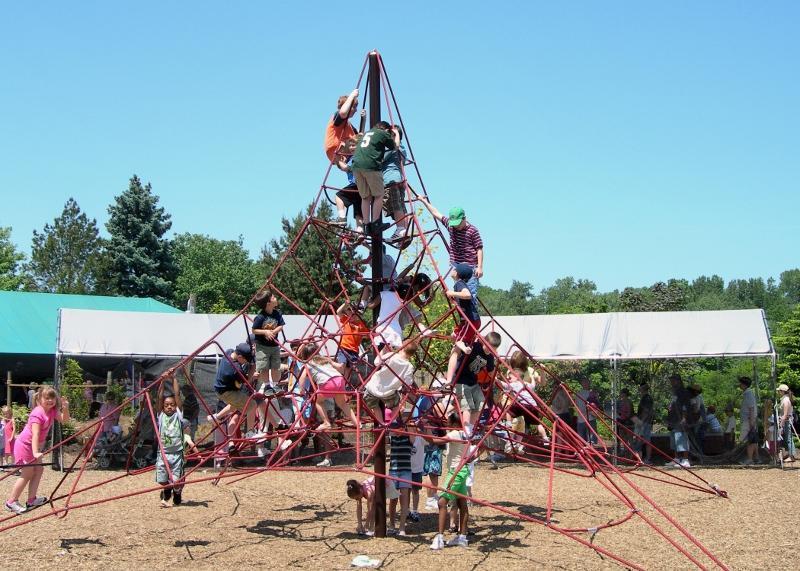
Danielle and Alexander Meitiv allow their two children, Rafi and Dvora, to play outdoors without adult supervision. They believe in “free-range” parenting, a movement where children learn independence by being allowed to make choices and venture out in the world on their own.

The couple allowed their 10-year-old son and 6-year-old daughter to walk to and from a Maryland park, one mile away, in December. Someone noticed Rafi and Dvora playing alone at the park and called the authorities. Now, the couple is being investigated for neglect.

Neglect – for allowing their kids to have some independence to go to the local park on their own. Is this crazy talk? Was the person who notified authorities justified in making the call?

Oh how I’m glad we grew up when we did…  all the neighbourhood kids would play outside for hours without any parent supervision, only to go home for dinner. We’d play hide and seek until dusk. I remember being in grade one or two and walking a kilometre to go to school and back for lunch – without having someone call the police. Some may say parents back then, in the 1970s and 1980s, were too casual and lax in their parenting style. But we survived and gained a sense of self-reliance.

Today my kids walk to school, which is just across the street, and I let them go on their own while I watch from the window. They play outside without supervision, and sometimes I’ll let them venture to the school to play there. How will they ever learn to cross the street if I’m always there to hold their hand? I feel that giving them a little bit of freedom will test their decision-making and problem-solving skills.

Of course a parent must feel their children are ready for some independence. Not all children have the same readiness at one particular age. But once a parent feels confident that the child understands what to do and who to call if something were to happen, they should be given a little bit of freedom.

Whether you can believe it or not, crime is lower today than it was when we were growing up. Media sensationalism proves otherwise and with social media making news available as it happens, parents can’t help feel more of a need to protect our children.

When is an appropriate age to allow your children to walk to school, or go to the park alone?


Update: The state found the parents responsible for “unsubstantiated” child neglect, which means CPS will keep a file on the family for at least five years and leaves open the question of what would happen if the Meitiv children get reported again for walking without adult supervision.


What do you think?

With spring approaching, it’s exciting to think about upcoming beauty trends and what beauty products to have for Spring 2015. When you’re updating your wardrobe, it’s also a fun time to update your beauty regimen and buy a few new beauty products for spring 2015.

What are some the best beauty products to have this Spring 2015?

Beauty Products to Have Spring 2015

Elizabeth Arden Untold Absolu

Untold Absolu is a deeper, more sensual interpretation of Untold. The scent has floral absolutes, red plum and black raspberry accents which work in harmony with its golden amber base. It’s a luxurious perfume, one that I would wear in the evening as it’s a little heavy for daytime wear. The Eau de Parfum is a scent that any sophisticated woman should have.

Beauty Spring Elizabeth Arden Untold Absolu

Thursday Plantation

Thursday Plantation offers a unique range of health and beauty products, all derived from nature’s oils, to restore your skin to its healthiest.  All Thursday Plantation products contain plant oils which are concentrated plant extracts. These potent ingredients have the capability to be absorbed easily into layers of the skin. They work at a cellular level in harmony with the body to support the skin’s natural healing and rejuvenating process.

Their line of products – which include Tea Tree Oil, Antiseptic Cream, Antiseptic Ointment, Medicated Gel for Acne – contain Tea Tree Oil distilled from specially selected melaleuca alternifolia leaves, a plant native to the coastal regions of northern New South Wales and southeastern Queensland, Australia. This 100% pure, 100% natural oil is a powerful antiseptic, which inhibits a broad spectrum of bacteria and fungi and cleanses and protects skin abrasions. Tea Tree Oil products relieve minor cuts, burns, abrasions, pimples, bites and stings and treat fungal infections such as athlete’s foot and nail infection. The Medicated Gel for Acne has demonstrated to be as effective as benzoyl peroxide in the treatment of mild to moderate acne.

All products are available at AbundanceNaturally.com.

spring beauty products 2015

LACC collection No. 1977

Headquartered in Vancouver and manufactured in New York, la couleur couture is devoted to providing the highest quality luxury nail lacquers that are toxic-free, cruelty-free and vegan-friendly, with a UV inhibitor.  This means no chemicals or toxins such as paraben, gluten, formaldehyde, formaldehyde resin, DBP, camphor or toluene. Finding a toxic-free nail polish in gorgeous colours is a challenge but LACC does it very well. The collection of high-shine hues are fast drying too. They offer a base coat formula which ensures the longest lasting protection for your nails, as well as a top coat which offers unmatched gel diamond-like shine.

Beauty Spring LACC No 1977

Spectro Kids Dry Skin Therapy

Spectro Dry Skin Therapy is a moisturizing line of products for adults and children with sensitive and dry skin. Skin needs extra protection during the winter and spring months, and this line can relieve itchy skin, reduces redness and is irritant free. The Spectro® Kids Intense Rehydration Moisturizer features a soothing formula that helps restore and maintain the skin’s natural moisture barrier. Easily absorbed and fragrance-free, this cream can be used anywhere on the body, including the face, and it is suitable for most ages.

beauty products to have Spring 2015


M.A.C. Ruby Woo

M.A.C. Ruby Woo is bold shade of the perfect red.  I have thin lips and haven’t worn red lipstick in years because I could never find the right shade. Reds usually make my lips appear smaller, and also the shade can make your teeth look yellow. But Ruby Woo is gorgeous. It’s such a flattering colour and make your lips look pouty. It goes on matte and has an impressive lasting power.

Beauty Spring MAC Ruby Woo


Lise Watier Palette Expressions Eyeshadows 

Inspired by the runways, this beautiful palette from Lise Watier features five stylish shades for spring. A long-lasting cream-powder formula to create lovely eyes this spring.

Create easy duos – for a natural look: pink and charcoal; for an illuminated look: yellow and charcoal; for a trendy look: aqua and charcoal; and for a dramatic look: turquoise and charcoal.

Lise Watier Spring Collection


Kiss My Face Pure Olive Oil Soap

Cleanse and moisturize naturally with this 86% pure olive oil soap, which is wonderful for sensitive skin. Harvested from sun drenched orchards, the olive oil in this traditionally crafted soap by Kiss My Face is superbly moisturizing and loaded with antioxidants. Ingredients: Sodium Olivate (Saponified Olive Oil), Water, Sodium Chloride (Sea Salt).  $7.29 for three bars.

Kiss My Face olive oil soap

Chanel Joues Contraste

The Chanel Joues Contraste powder blusher offers buildable coverage, from natural to dramatic, and imparts a flattering radiance to cheeks. Remarkably silky texture ensures easy application of seamless colour. Applied high on the cheekbone, or near the eyes, it instantly ‘lifts’ and softens the face for a more youthful look.

Chanel Joues Contrast Powder Blush


LANCÔME’s Grandiôse Mascara

Just take a look at this Swan Neck™ Wand Mascara – beautiful, isn’t it? The wand provides exceptional length, lift, and volume to all lashes. This is Lancôme’s first patented wand, which works with the shape of your face for the easiest application, and the curve of the wand mixes the mascara with each twist open, allowing for formula that stays fresh longer.  The ultra-black, smudge-free formula features Lancôme’s rose cell extract, which nourishes lashes. It’s a high-gloss, clump-free mascara leaves lashes fanned out with maximum length, and it is designed with long-wearing, flexible polymers, which allow for easy removal.

 Lancome Grandiose Mascara

If you and your children are Walt Disney Pictures fans, then you must be excited for the upcoming release of Cinderella, opening in theatres March 13, 2015.

The story of Cinderella follows the fortunes of young Ella (Lily James) whose merchant father remarries following the death of her mother. Eager to support her loving father, Ella welcomes her new Stepmother (Cate Blanchett) and her daughters Anastasia (Holliday Grainger) and Drisella (Sophie McShera) into the family home. But, when Ella’s father unexpectedly passes away, she finds herself at the mercy of a jealous and cruel new family.

Soon, she is forced to become their servant, disrespected, covered in ashes and spitefully renamed Cinderella. Yet, despite the cruelty inflicted upon her, Ella will not give in to despair nor despise those who mistreat her, and she continues to remain positive, determined to honour her mother’s dying words and to “have courage and be kind.”


Cinderella Stepmother (541x800)

When Ella meets a dashing stranger in the woods, unaware that he is really the Prince (Richard Madden) and not merely Kit, an apprentice at the palace, she believes she has finally found a kindred soul. It appears her fortunes may be about to change when the King (Derek Jacobi) summons all maidens in the kingdom to attend a royal ball at the palace, raising Ella’s hopes of once again encountering the charming Kit. Alas, her Stepmother forbids her to attend and callously destroys her dress.

Cinderella and Prince

Meanwhile, the calculating Grand Duke (Stellan Skarsgård) devises a plan to thwart the Prince’s hopes of reuniting with Ella and enlists the support of the devious Stepmother. But, as in all good fairy tales, help is at hand. Soon, a kindly beggar woman (Helena Bonham Carter) steps forward and, armed with a pumpkin, a few mice and a magic wand, changes Cinderella’s life forever.

Cinderella Fairy Godmother (541x800)

When you put Helena Bonham Carter and the amazing Cate Blanchett in a picture like this, you know it’s going to be a huge success.

ENTER TO WIN

The lovely people at Disney Pictures are giving amotherworld readers TWO Double Passes to an advance screening in Toronto on March 11th, two days before the theatre release!

When: Wednesday, March 11th, 2015 at 7:30pm

Where: Scotiabank Theatre Toronto

What is your #CinderellaMoment? Share it as your entry to win! Please use the Rafflecopter below to enter this giveaway.

Good luck!

a Rafflecopter giveaway

As a blogger, good quality photos are important. After a ton of research, I purchased my first D-SLR a few years ago – the Nikon D3100, a good starter camera. So when I had the opportunity to try out a higher-end Nikon camera, the D7100, I was all over it.

The D7100 is as close to using a top of the line full 35mm frame camera as you can get. It delivers amazing image quality and highly detailed photos with a 24.1-megapixel DX-format CMOS image sensor. It has a great ISO performance, from ISO 100 to ISO 6400 (expandable to ISO 25600). There’s also a 1.3x crop mode, which downsizes images to about 15 megapixels and extends the reach of your telephoto lenses.

The D7100 comes with full 1080p HD video recording in QuickTime format. The quality of the footage is sharp and the colours are accurate.

The camera’s viewfinder is one of the best you’ll find in an APS-C camera, according to professional reviews. The pentaprism design uses a solid piece of glass to direct the image from the camera’s lens and mirror to your eye.

The D7100 has a ton of shooting options, with many of the camera’s control buttons and dials up top and on the front of the camera body. On the top of the camera, there is a standard mode dial; underneath is a second wheel that controls the drive mode. There is a button to adjust exposure and one to start video recording. There is also a rear control dial, an AE-L/AF-L button, and a control pad that can be used to navigate through menus. On the back, there are buttons to adjust the white balance, image resolution, and ISO.

Nikon D7100 review

Nikon D7100 2 Nikon D7100 3

There’s a switch to change between still photos and video modes. The “I” button allows you to adjust certain shooting settings through the LCD. The rear LCD display is bright and sharp. The menu gives you access to a large list of camera settings. Here’s where you can also launch the menu, change settings, go into playback mode, and delete photos.

The D7100 is a great camera for capturing fast action. It starts and shoots in 0.2-second, and its shutter lag is a short, short 0.05-second, including the time to confirm focus in good light.

I tested out the camera during my son’s hockey games. It was wonderful to see the camera perform in fast-action scenes. It can take six frames per second continuously for up to 100 shots.

Nikon D7100 review

DSC_0753 (1024x472)

DSC_0789 (1024x683)

DSC_0792 (1024x666)


Not bad for an amateur! I’d like to learn more about all of the settings which I think would improve my ability to snap some good photos.

Nikon D7100 Key Features

  • 24.1MP DX format CMOS sensor, with no OLPF
  • EXPEED 3 processing
  • ISO 100-6400 standard, up to 25600 expanded
  • Max 6 fps continuous shooting in DX mode, 7fps in 1.3X crop mode
  • 51 point AF system, 15 sensors cross type
  • 2016 pixel RGB metering sensor
  • Spot white balance in live view mode
  • 1080 60i/30p video recording, built-in stereo mic, mic jack and audio monitoring jack
  • Pentaprism with 100% coverage and 0.94X magnification
  • 3.2″, 1.2m-dot LCD screen (640 x 480 X RGBW)
  • Front and rear IR receivers
  • Equivalent water and dust resistance to D800/D300S

Price: The Nikon D7100 retails for $1,159.99 body only and up, with some packages including an AF-S 18-140mm VR lens.


by an Anonymous Mom

I don’t want to be a stay at home mom… anymore.

I have been a stay at home mom for about five years now. I love my two children dearly and feel extremely lucky to have been home with them for their early years. I know I should be grateful and I truly am.

But lately I’ve been feeling the itch to get back out into the workforce. Have a job to do other than taking care of my kids and my house. Feel a real sense of accomplishment on the job. Raising kids is an accomplishment too, I know… and I’m responsible for these amazing little lives, guiding them and being their everything. But can I also have something for “me”?

And then I feel guilty about having these feelings. Being home all the time is lonely and isolating, even though I try to keep myself busy. From working in the corporate world to running a household is very different. Instead of running a department, I’m overseeing chores – laundry, cooking, dishes, cleaning etc. I feel like my college degree is going to waste. I also crave the financial independence I had before having kids.

How do I know if I could handle going back to work though? Could I handle the commute? School drop offs and before/after school care? Then not having enough time after work to get dinner on the table, spend quality time with the kids even if I’m mentally exhausted from a stressful day.

I wonder if I should just STFU, count my blessings and continue doing what I’m doing?

If I go back to work full-time, I’ll probably miss being at home. Even just a few more years and the kids are a bit older, I could go back but until then I may drive myself crazy. Is the grass greener?

As you can see I’m on the fence because I don’t know if there is such a thing as a happy medium. Has anyone gone through this who is willing to share their experience?

Ontario’s new sex ed curriculum was unveiled on Monday to mixed reviews. The province has updated its sexual education curriculum for the first time in almost two decades. The changes will be rolled out across the province this fall.

Here is a short summary of the new sex education curriculum as well as a long summary of what will be covered in sex education in Ontario schools.

Sex Education Short Summary:

Grade 1 students will learn the proper names for body parts, and  learn to recognize caring behaviours and exploitive behaviours.

Grade 2 will learn about the stages of development and related bodily changes; speaking confidently, stating boundaries and understanding consent.

Grade 3 students will how visible and invisible differences make each person unique; they’ll also learn about cultural differences and same-sex relationships.

Lessons about puberty and personal hygiene will now be taught in Grade 4 instead of Grade 5. Grade 4 students will also learn more about the dangers of online bullying and of posting or sharing sexual images. Grade 5 students will learn to identify parts of the reproductive system, and describe how the body changes during puberty.

Students in Grade 6 will be taught about the changes during puberty and adolescence and will gain a clearer understanding of the physical, social, and emotional changes that occur during adolescence.

Grades 7 and 8 students will gain an understanding of physical, emotional, social, and psychological factors that need to be considered when making decisions related to sexual health, ie. sexually transmitted infections [STIs], possible contraceptive side effects, pregnancy, protective value of vaccinations, social labelling, gender identity, sexual orientation, self-concept issues and relationships.

Sex Education Long Summary:

Grade 1

Grade 1 students will learn to identify body parts, including genitalia (e.g., penis, testicles, vagina, vulva), using correct terminology.

Teacher prompt: “We talk about all body parts with respect. Why is it important to know about your own body, and use correct names for the parts of your body?”

Student: “All parts of my body are a part of me, and I need to know how to take care of and talk about my own body. If I’m hurt or need help, and I know the right words, other people will know what I’m talking about.”

Grade 1 students will also learn to recognize caring behaviours (e.g., listening with respect, giving positive reinforcement, being helpful) and exploitive behaviours (e.g., inappropriate touching, verbal or physical abuse, bullying), and describe the feelings associated with

Grade 2

Grade 2 students will learn the basic stages of human development (e.g., infant, child, adolescent, adult, older adult) and related bodily changes, and identify factors that are important for healthy growth and living throughout life.

They’ll also learn the importance of standing up for themselves, and demonstrate the ability to apply behaviours that enhance their personal safety in threatening situations (e.g., speaking confidently; stating boundaries; saying no; respecting the right of a person to say no and encouraging others to respect that right also; reporting exploitive behaviours, such as improper touching of their bodies or others’ bodies.

Teacher: “If someone does something that you do not like, touches you in an inappropriate way, or asks to touch you in a way that makes you feel uncomfortable or confused, how can you stand up for yourself?”

Student: “I can say no and move away. My body is mine. I can tell someone – like a parent, a teacher, an elder, a doctor – that I need help. I can keep telling until I get help.”

Grade 3

Grade 3 students will learn to describe how visible differences (e.g., skin, hair, and eye colour, facial features, body size and shape, physical aids or different physical abilities, clothing, possessions) and invisible differences (e.g., learning abilities, skills and talents, personal or cultural values and beliefs, gender identity, sexual orientation, family background, personal preferences, allergies and sensitivities) make each person unique, and identify ways of showing respect for differences in others.

Teacher prompt: “Sometimes we are different in ways you can see. Sometimes we are different in ways you cannot see – such as how we learn, what we think, and what we are able to do. Give me some examples of things that make each person unique.”

 Student: “We all come from different families. Some students live with two parents. Some live with one parent. Some have two mothers or two fathers. Some live with grandparents or with caregivers. We may come from different cultures. We also have different talents and abilities and different things that we find difficult to do.”

Grade 4

Grade 4 students will learn to describe the physical changes that occur in males and females at puberty (e.g., growth of body hair, breast development, changes in voice and body size, production of body odour, skin changes) and the emotional and social impacts that may result from these changes.

Teacher prompt: “During puberty, the male and female bodies undergo many changes. Everyone experiences these changes at different rates and at different times. Increases in weight and body fat are normal. Sometimes it is difficult getting used to the changes that are happening so quickly. Feelings can be much more intense. What are some of the feelings you might have as you start to experience changes with puberty?”

Student: “Excitement, happiness, embarrassment, confusion, and fear are some of the feelings I might have. It is sometimes hard to recognize what I am feeling and why things feel different.”

They’ll also learn about personal care needs and the application of personal hygienic practices associated with the onset of puberty (e.g., increased importance of regular bathing/showering and regular clothing changes; use of hygiene products; continuing importance of regular hygiene practices, including hand washing etc.

Grade 5

Grade 5 students will learn to identify parts of the reproductive system, and describe how the body changes during puberty. They’ll learn about female and male body parts that mature and develop as a part of puberty as well as the changes that occur as people become capable of reproduction. Students will learn about the physical changes that happen during puberty including the processes of menstruation and spermatogenesis, and explain how these processes relate to reproduction and overall development.

Teacher prompt: “Female body parts that mature and develop as a part of puberty include the vagina, cervix, uterus, fallopian tubes, ovaries, endometrium, and clitoris. Male body parts that mature and develop during puberty include the penis (with or without the foreskin), scrotum, urethra, testicles, prostate gland, seminal vesicles, and vas deferens. These changes occur as people become capable of reproduction. What are some physical changes that happen during puberty?”

Student: “During puberty, girls will develop breasts and get their periods for the first time. An increase in weight and body fat is normal. Boys will become more muscular, get deeper voices, and grow facial and body hair. The penis and testicles will grow larger. Both boys and girls will grow hair under their arms, on their legs, and in their pubic area. The rate at which these changes occur will vary for each individual.”

The curriculum will also cover the emotional and interpersonal stresses related to puberty (e.g., questions about changing bodies and feelings, adjusting to changing relationships, crushes and more intense feelings, conflicts between personal desires and cultural teachings and practices), and identify strategies that they can apply to manage stress, build resilience, and enhance their mental health and emotional wellbeing (e.g., being active, writing feelings in a journal, accessing information about their concerns, taking action on a concern, talking to a trusted peer or adult, breathing deeply, meditating, seeking cultural advice from elders).

Students will also learn about relationships and that sharing private sexual photos or posting sexual comments online is unacceptable and also illegal.

Grade 6

Grade 6 students will be able to identify factors that affect the development of a person’s self-concept (e.g., environment, evaluations by others who are important to them, stereotypes, awareness of strengths and needs, social competencies, cultural and gender identity, support, body image, mental health and emotional well-being, physical abilities). Students will learn how they can build confidence and lay a foundation for healthy relationships by acquiring a clearer understanding of the physical, social, and emotional changes that occur during adolescence (e.g., physical: voice changes, skin changes, body growth; social: changing social relationships, increasing influence of peers; emotional: increased intensity of feelings, new interest in relationships with boys or girls, confusion and questions about changes)

Students will learn about the changes during puberty and adolescence including physical changes.

Teacher prompt: “Things like wet dreams or vaginal lubrication are normal and happen as a result of physical changes with puberty. Exploring one’s body by touching or masturbating is something that many people do and find pleasurable. It is common and is not harmful and is one way of learning about your body.”

Students will also assess the effects of stereotypes, including homophobia and assumptions regarding gender roles and expectations, sexual orientation, gender expression, race, ethnicity or culture, mental health, and abilities, on an individual’s self-concept, social inclusion, and relationships with others, and propose appropriate ways of responding to and changing assumptions and stereotypes.

Grade 7

Students in Grade 7 will learn understand the benefits and dangers, for themselves and others, that are associated with the use of computers and other technologies, understand mental health issues and substance abuse, addictions and related behaviours.

They will learn to assess the impact of different types of bullying or harassment, including the harassment and coercion that can occur with behaviours such as sexting, on themselves and others, and identify ways of preventing or resolving such incidents.

Teacher prompt: “What are some ways of protecting your safety when using a computer at home or in a public place?”

Student: “Everyone should be aware that anything they write or post could become public information. If you do not want someone else to know about something, you should not write about it or post it. You should never share your password. If you are a target of online harassment, you should save and print the messages you received and get help from a parent, teacher, or other trusted adult.”

Students will gain an understanding of physical, emotional, social, and psychological factors that need to be considered when making decisions related to sexual health, including sexually transmitted infections [STIs], possible contraceptive side effects, pregnancy, protective value of vaccinations, social labelling, gender identity, sexual orientation, self-concept issues, relationships, desire, pleasure, cultural teachings.

Teacher prompt: “Engaging in sexual activities like oral sex, vaginal intercourse, and anal intercourse means that you can be infected with an STI. If you do not have sex, you do not need to worry about getting an STI. (By the way, statistics show that young people who delay first intercourse are more likely to use protection when they choose to be sexually active.) If a person is thinking of having sex, what can they do to protect themselves?”

Student: “They should go to a health clinic or see a nurse or doctor who can provide important information about protection. People who think they will be having sex sometime soon should keep a condom with them so they will have it when they need it. They should also talk with their partner about using a condom before they have sex, so both partners will know a condom will be used. If a partner says they do not want to use a condom, a person should say, ‘I will not have sex without a condom.’ If you do have sex, it is important that you use a condom every time, because condoms help to protect you against STIs, including HIV, and pregnancy.”

Students will be able to assess the impact of different types of bullying or harassment, including the harassment and coercion that can occur with behaviours such as sexting, on themselves and others, and identify ways of preventing or resolving such incidents.

Grade 8

Grade 8 students will learn to identify and explain factors that can affect an individual’s decisions about sexual activity (e.g., previous thinking about reasons to wait, including making a choice to delay sexual activity and establishing personal limits; perceived personal readiness; peer pressure; desire; curiosity; self-concept; awareness and acceptance of gender identity and sexual orientation; physical or cognitive disabilities and possible associated assumptions; legal concerns; awareness of health risks, including risk of STIs and blood-borne infections; concerns about risk of pregnancy; use of alcohol or drugs; personal or family values; religious beliefs; cultural teachings; access to information; media messages), and identify sources of support regarding sexual health (e.g., a health professional [doctor, nurse, public health practitioner], a community elder, a teacher, a religious leader, a parent or other trusted adult, a reputable website).

Teacher prompt: “How would thinking about your personal limits and making a personal plan influence decisions you may choose to make about sexual activity?”

Student: “Thinking in advance about what I value and what my personal limits are would help me to respond and make decisions that I felt comfortable with in different situations. I would be able to approach a situation with more confidence and stick to what I had planned. I would be less likely to be caught off guard and have to react without having thought through the options and possible consequences.”

Students will learn about gender identity (e.g., male, female, two-spirited, transgender, transsexual, intersex), gender expression, and sexual orientation (e.g., heterosexual, gay, lesbian, bisexual), and identify factors that can help individuals of all identities and orientations develop a positive self-concept.

They’ll also learn aspects of sexual health and safety, including contraception and condom use for pregnancy and STI prevention, the concept of consent, and matters they need to consider and skills they need to use in order to make safe and healthy decisions about sexual activity (e.g., self-knowledge; abstinence; delaying first intercourse; establishing, discussing, and respecting boundaries; showing respect; need for additional information and support; safer sex and pleasure; communication, assertiveness, and refusal skills).

Grade 8 students will be able to analyse the attractions and benefits associated with being in a relationship (e.g., support, understanding, camaraderie, pleasure), as well as the benefits, risks, and drawbacks, for themselves and others, of relationships involving different degrees of sexual intimacy (e.g., hurt when relationships end or trust is broken; in more sexually intimate relationships, risk of STIs and related risk to future fertility, unintended pregnancy, sexual harassment and exploitation; potential for dating violence).

 Teacher: “Being intimate with someone includes having a good understanding of the concept of consent. What are some of the important things that we need to understand about consent?”

Student: “Consent to one activity doesn’t imply consent to all sexual activity. It is important to ask for consent at every stage. Consent is communicated, not assumed. You can ask your partner simple questions to be sure that they want to continue: ‘Do you want to do this?’ or ‘Do you want to stop?’ A ‘no’ at any stage does not need any further explanation.”

SOURCE: http://www.edu.gov.on.ca/eng/curriculum/elementary/health.html

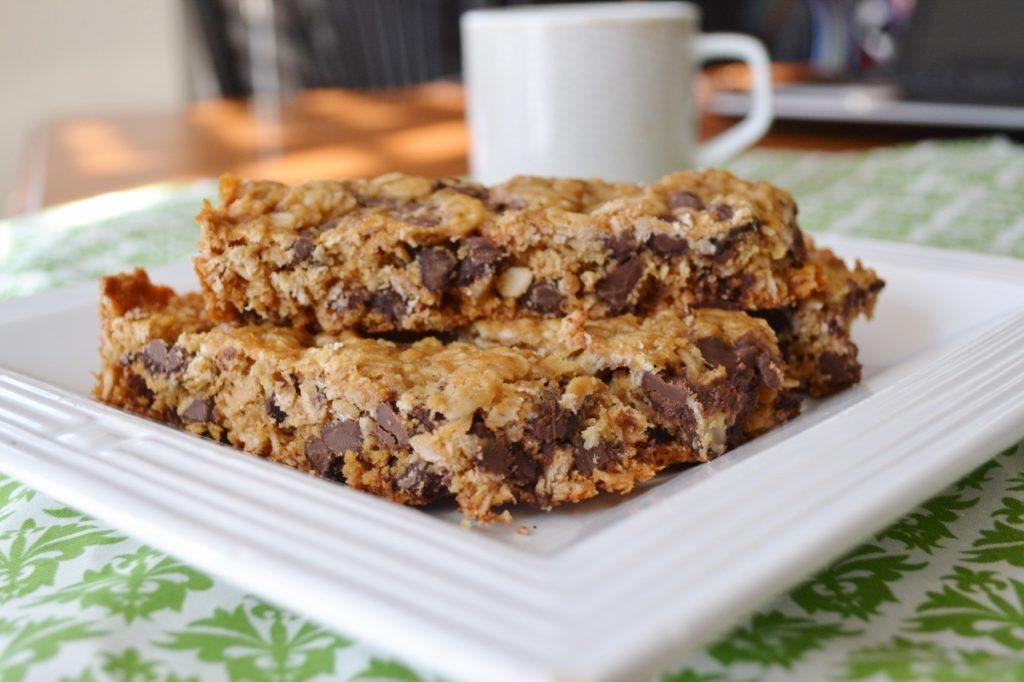
Have I got the best granola bar recipe for you! There is no need to buy packaged granola bars any longer with this homemade granola bar recipe for chewy chocolate chip granola bars which are also nut-free and safe for school.

These granola bars are chewy and delicious – my kids absolutely love them. You can cut them into squares or bars.

Here is the best granola bar recipe that your kids will enjoy especially.

Chewy Chocolate Chip Granola Bars Nut-Free

Ingredients

2 ¼ cups organic rolled oats

½ cup organic never-bleached flour

1/3  cup butter

1/4 cup brown sugar

3 tbsp unsweetened apple sauce

1/4  cup honey

1/2  teaspoon baking soda

1/2  teaspoon vanilla extract

1 cup semi-sweet chocolate chips


Chewy Chocolate Chip Granola Bars Nut-Free

Directions

Stir together butter and sugar, add honey and apple sauce. Add in dry ingredients and then the chocolate chips last.

Pre-heat your oven to 325°F. Line a square 8 inch pan with parchment paper.  Scoop dough into the pan. Using a sheet of wax paper, press the dough into the pan to fill.

Bake for 18-20 minutes and let cool before cutting into bars or squares.

granola bar recipe


My eldest boy turned 10 a few months ago and I’m still denying it. Gah! My son is a pre-teen!

When your child becomes a preteen overnight, you stop and think – when did this happen?! My son is officially a tween.

He’ll catch me staring at him because I can’t stop looking at all the changes he’s undergoing. He’s looking less like a kid and more like an adolescent.

I can’t help but feel nostalgic as he teeters between being a kid and wanting to be a cool pre-teenager. My child is growing up right before my eyes.

When we cuddle, his toes reach mine. I sure can’t carry him anymore, or even give him a piggy-back ride.

When I compare his size to that of my eight-year-old, I know that I have to cherish my boys even more now, if that’s even possible. I can still hold my youngest in my arms, carry him (not for long periods but still) and he can curl up in my lap.

My 1o-year-old boy turning into young a man? Not so much. His feet are getting to be as big as mine.

His toys are pretty much untouched… except for his complicated Lego creations. He’s much rather listen to music, play on his iPod or watch Minecraft videos on YouTube. And hockey – watch hockey, play hockey, talk about hockey… everything is about hockey.

We can sit together and have a full conversation about anything. I love hearing what he has to say. We can hang out, watch a movie, and go to a restaurant – just the two of us. He’s responsible for his own things, and he takes extra pride when organizing his hockey medals and trophies.

But don’t even think about hugging or kissing him in public! I can’t sing or dance in the dressing room at hockey practice because I’ll embarrass him, God forbid!

Did you know that tweens also have attitude? That is probably the most challenging. The “I know everything” phase drives me crazy and I know it’ll only get worse as he enters the teenage years.

My son is prepubescent and I’m just waiting for him to suddenly grown two inches and his voice to change even more overnight. At 10 years of age, I know that he’s maturing, not only physically but emotionally. He’s beginning to develop a sense of who he really is.

During this phase, he may be going through the hormonal changes that are common with the beginning of puberty. I can imagine that he’s feeling stress with school work, friendships, performing well on his hockey team and his “pesky” little brother at home.

When you have children, you know they’re going to grow up. Obviously. But still, nothing prepares you for when you’re actually going through each and every phase. No matter how many books and articles you read, or how much advice you receive, when you’re experiencing things first-hand, you can still feel like you have no freaking clue what you’re doing as a parent.

You can only hope that you’re doing the best you possibly can to raise your children to be respectful, kindhearted and compassionate adults.


January and February are good months to re-prioritize health and wellness. Gone off the fitness wagon? Slacker? A good swift kick in the butt is what it takes to get back into shape.

I also love a good challenge… so when I was invited to participate in a health and fitness challenge with TELUS called Every Step Counts, I was IN!

TELUS hooked me up with my own Fitbit Charge for the #EveryStepCounts challenge, and to help me stay on track with my health and fitness goals. Fitbit is wearable fitness technology which motivates you to move more by tracking all-day activity like steps taken, distance traveled, calories burned, floors climbed and active minutes.

To get started, I first met with a TELUS Health Tech Trainer who is trained experts in fitness and wearable health technology. We met in a customized, one-on-one learning session at my local TELUS store and he showed me how to make the most of my new Fitbit and how to sync with my smartphone.

On Monday, February 2nd, the challenge officially began! Along with 15 other bloggers across Canada, I competed for two weeks to see who could rack up the most steps!

Before the challenge began, I didn’t imagine that I could reach 10,000 steps in a day, which is recommended. Studies have shown that people who increased their walking to 10,000 steps daily experience health benefits.

My lifestyle doesn’t seem active on paper; working mainly from home, walking to and from my office to the kitchen (yum) and laundry room (boo), running errands and ‘chasing’ after my kids, I didn’t think my steps would add up. To my surprise, I surpassed the 10,000 step goal in my day-to-day activities. Throw in workouts at the gym and was on my way to reaching the 20,000 mark!

Getting Into Shape Every Step Counts


Fifteen kilometres in one day? Unreal! The Fitbit dashboard shows a graph on your daily activity and allows you to view your progress. You can earn badges, helping to motivate you. You can also log your food, and add other food/calorie counting apps to work with your Fitbit Charge.

Charge lets you see every stat as it happens—right on your wrist, with a bright OLED display. I was surprised by the length of the battery life (7-10 days) – I only had to charge my Fitbit twice in two weeks.

getting into shape wearable fitness technology

The app can be dowloaded on your iPhone or Android smartphone and synced to your computer as well. Fitbit Charge lets you see your progress on-the go, and shows you detailed charts and graphs so you can track your trends over time.

wearable health technology

Another cool feature of the Fitbit Charge is the sleep tracking. As we know, sleep is essential for a person’s health and well-being. But how much and how well are you sleeping a night? After all that activity, I was delighted to see this – probably the best sleep I’ve had in a long time:

 
Fitbit sleep chart


What’s even more fun about the Fitbit Charge is that you can invite family and friends to share stats and compete. With the #everystepcounts challenge with TELUS, it’s been a great challenge competing with my fellow bloggers. It’s been fun motivating each other and taking part in a friendly competition.

I’m thrilled to say that I finished the challenge in THIRD place!  *Pat on the back*

Now that the challenge is over, I’m still wearing my Fitbit and continuing to track my activity. The more active I am, the better I feel.

ENTER TO WIN

Do you want a Fitbit Charge of your own to track your steps? Our friends at TELUS are giving one lucker reader a Fitbit Charge worth $139.99. Please use the Rafflecopter form below to enter this giveaway.

Getting Into Shape Every Step Counts win a Fitbit Charge on amotherworld

a Rafflecopter giveaway